
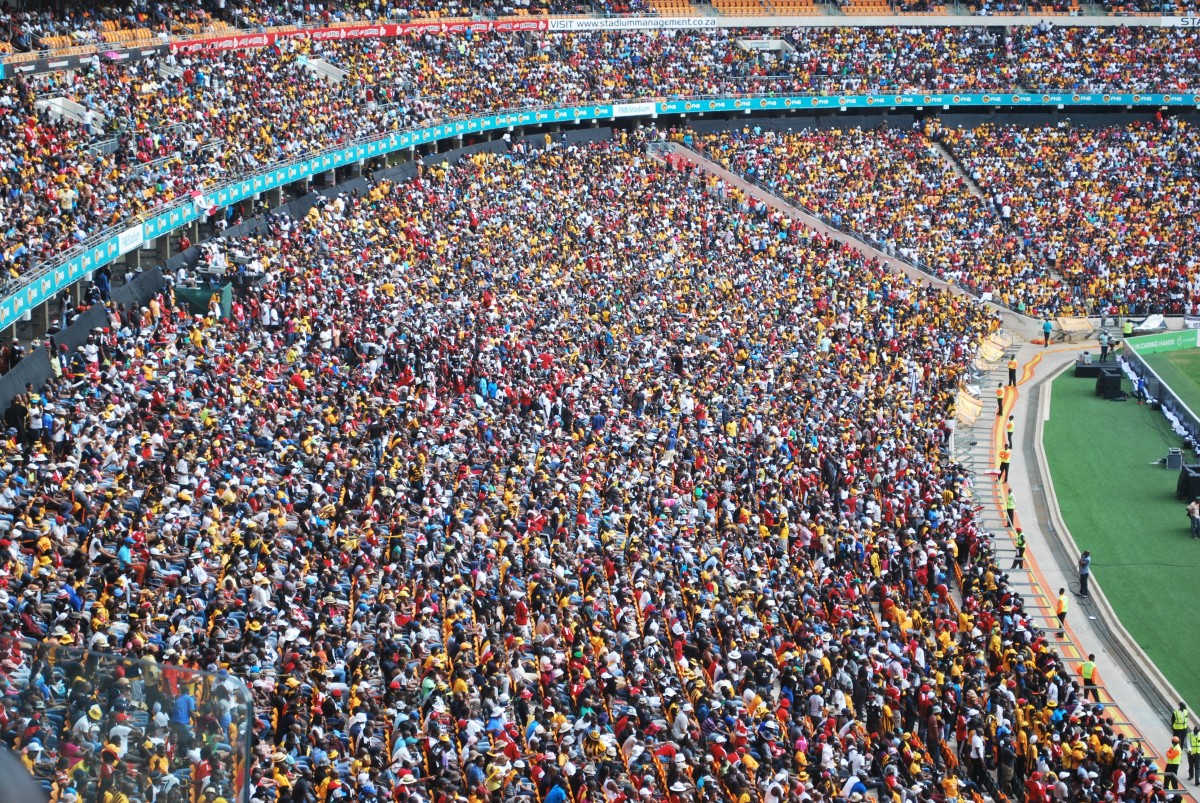
Game-day rituals can make a gathering feel familiar, but they work best when regulars leave room for new fans and changing schedules.
Before the game: arrival and anticipation
Why rituals start before the opening whistle
Jerseys, pregame meals, friendly predictions and travel routines turn a scheduled contest into a social occasion. Repetition builds anticipation and lets new arrivals understand what a group values.
Traditions should remain welcoming; pressuring a guest to spend money or adopt a side can undermine the point of gathering.
Tailgating and pub gatherings work differently
Tailgates revolve around stadium access, parking and outdoor rules. Pubs provide weather protection, shared screens and a neutral meeting place for fans who may not attend the event in person.
Alcohol-service regulations, venue capacity and transit options matter. A casual pub watch should not be mistaken for a place authorized to organize wagering pools.
The soundtrack of a rivalry
Team songs, chants and coordinated reactions express identity. The same rivalry may attract visiting supporters and longtime local fans with distinct expectations for volume and banter.
Good-natured celebration stays separate from harassment. A respectful table can hold opposing jerseys without turning competition into confrontation.
Game-day atmosphere: The shared rituals and reactions around live sports, from arrivals and chants to postgame conversation.
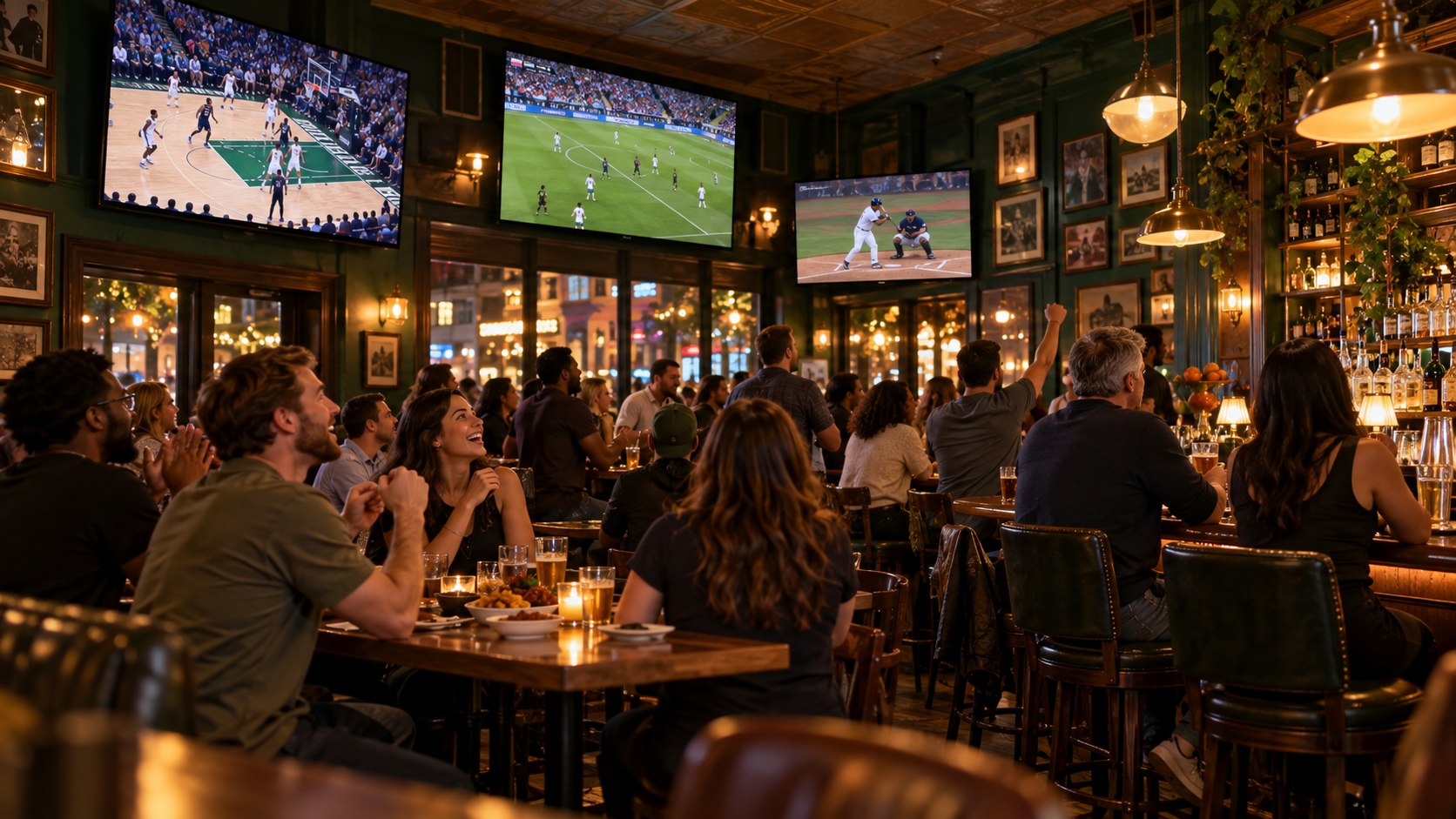
A ritual can survive changing venues
A group of friends has watched the same rivalry for years. Their first venue closes, people move across town and the gathering shifts to a different bar. The durable tradition may be meeting before kickoff, exchanging match predictions or cooking a regional dish. A fixed table or lucky shirt can belong to the story without being essential to the ritual.
If the game moves to a different day or streaming platform, the ritual changes again. The useful distinction is between a custom that strengthens relationships and one that makes participation costly or exclusive. Fans can share a match without a betting pool or pressure to drink, and a tradition that accommodates new supporters may last longer than one built around rigid insider rules.
A tradition can also have a different meaning for a longtime fan and a first-time guest. Explaining a team chant or allowing someone to watch quietly preserves the shared event without requiring everyone to perform loyalty in the same way.
The social vocabulary of team loyalty
Food traditions often follow a team or region
Wings, sandwiches, pizza and local specialties can mark different leagues and communities. Shared dishes work for a long broadcast because people can eat between active moments.
Dietary restrictions and affordability are part of an inclusive tradition. Elaborate themed menus are optional rather than prerequisites for the event.
How the clock organizes a gathering
Kickoff windows, halftime breaks, intermissions and seventh-inning rituals create moments for arrivals and conversation. Late changes to game time can affect staffing and transportation plans.
Playoff schedules are especially fluid. Guests and venues need a source of current broadcast information rather than relying on an old flyer.
Superstitions and lucky objects
Fans may wear a particular cap or keep a familiar seat through a winning streak. These behaviors can feel meaningful as shared stories but have no measurable power to control a random sports result.
There is a difference between a playful superstition and treating a ritual as evidence that a wager cannot lose.
When an inherited ritual meets a new fan
Picture a group that has occupied the same table for seasons and always wears one team’s colors. A first-time visitor supports the opponent. The ritual becomes a test of whether the gathering is built around shared attention to the game or around excluding anyone who does not repeat the established customs.
The table stays the tradition; agreeing with the table is not a condition of joining it.
Some customs are easy to share, such as predicting the opening lineup aloud or ordering the same regional dish. Others, including chants directed at rivals, need room for different comfort levels. A good-natured disagreement can strengthen a match-night atmosphere without requiring strangers to disclose personal loyalties or accept unwanted teasing.
Rituals also survive practical changes. A postponed game, accessible seating requirement or relative joining remotely can alter the location while preserving the recurring meeting, the food or the postgame conversation. The continuity belongs to the social meaning of the practice rather than a single chair or object.
A newcomer’s view of an established fan ritual
Traditions that survive change
The role of a regular neighborhood venue
A familiar spot can introduce people who support the same club but live on different blocks. Regular attendance creates a social map across work schedules, age groups and families.
Not every room needs to be loud or crowded. Some traditions center on accessible seating, friendly conversation and the ability to hear the broadcast.
Adapting routines when a team loses
A fan culture capable of discussing disappointment without scapegoating players or other fans stays healthier through losing seasons. Postgame conversations can carry a tradition even when the result is forgettable.
Team loyalty does not create an obligation to recover money lost on a game. A shared sports experience should not become a financial requirement.
Ways fans gather, with different expectations
Before play
Arrival, clothing, food and introductions
Create a welcoming rhythm
First score
Shared reaction and chants
Consideration for neighboring tables
Breaks
Conversation and ordering
Unobstructed pathways
Tense finish
Collective attention
A crowd atmosphere without hostility
After play
Stories and departures
No need to chase the result financially
Small frictions in shared rituals
Details that make a group ritual work
- The event’s start time and authorized broadcast.
- Flexibility for new guests in established group routines.
- Courtesy toward venue staff and other supporters.
- Separate playful superstition from financial decisions.
- Food preferences, dietary needs and reasonable cost.
- Avoidance of unauthorized gambling promotions in licensed bars.
- Provide room for different fan loyalties.
- Treat the after-game conversation as part of the occasion.